How Professional Interior Designers Maximize Natural Light in City Apartments
In today’s fast-paced urban lifestyle, city apartments often struggle with limited space and lack of natural light. Poor daylight can make even well-designed homes feel cramped, dull, and uncomfortable. This is where professional interior designers play a crucial role. By using smart design strategies, they transform dark apartments into bright, airy, and visually larger spaces.
Whether you live in a compact flat or a high-rise apartment, this guide explains how professional interior designers maximize natural light in city apartments—and why hiring an expert interior designer in Indore or Gurgaon can make a significant difference.
Why Natural Light Is Essential in Apartment Interiors
Natural light is not just about aesthetics—it directly impacts your lifestyle.
Benefits of natural light in interiors:
Makes small apartments feel bigger and more open
Reduces dependency on artificial lighting
Enhances mood and productivity
Improves indoor airiness and comfort
Highlights textures, colors, and finishes better
Professional interior designers always prioritize daylight planning during the design stage to ensure long-term comfort and energy efficiency.
1. Smart Space Planning & Furniture Layout
One of the first things a professional interior designer does is optimize the layout.
How designers do it:
Avoid placing tall furniture near windows
Keep seating areas close to natural light sources
Use open layouts instead of closed partitions
Align furniture to allow light flow across rooms
An experienced interior designer in Indore, especially for compact urban apartments, knows how to plan layouts that allow sunlight to travel deeper into the home.
2. Use of Light Color Palettes
Color plays a powerful role in reflecting or absorbing light.
Designer-approved color choices:
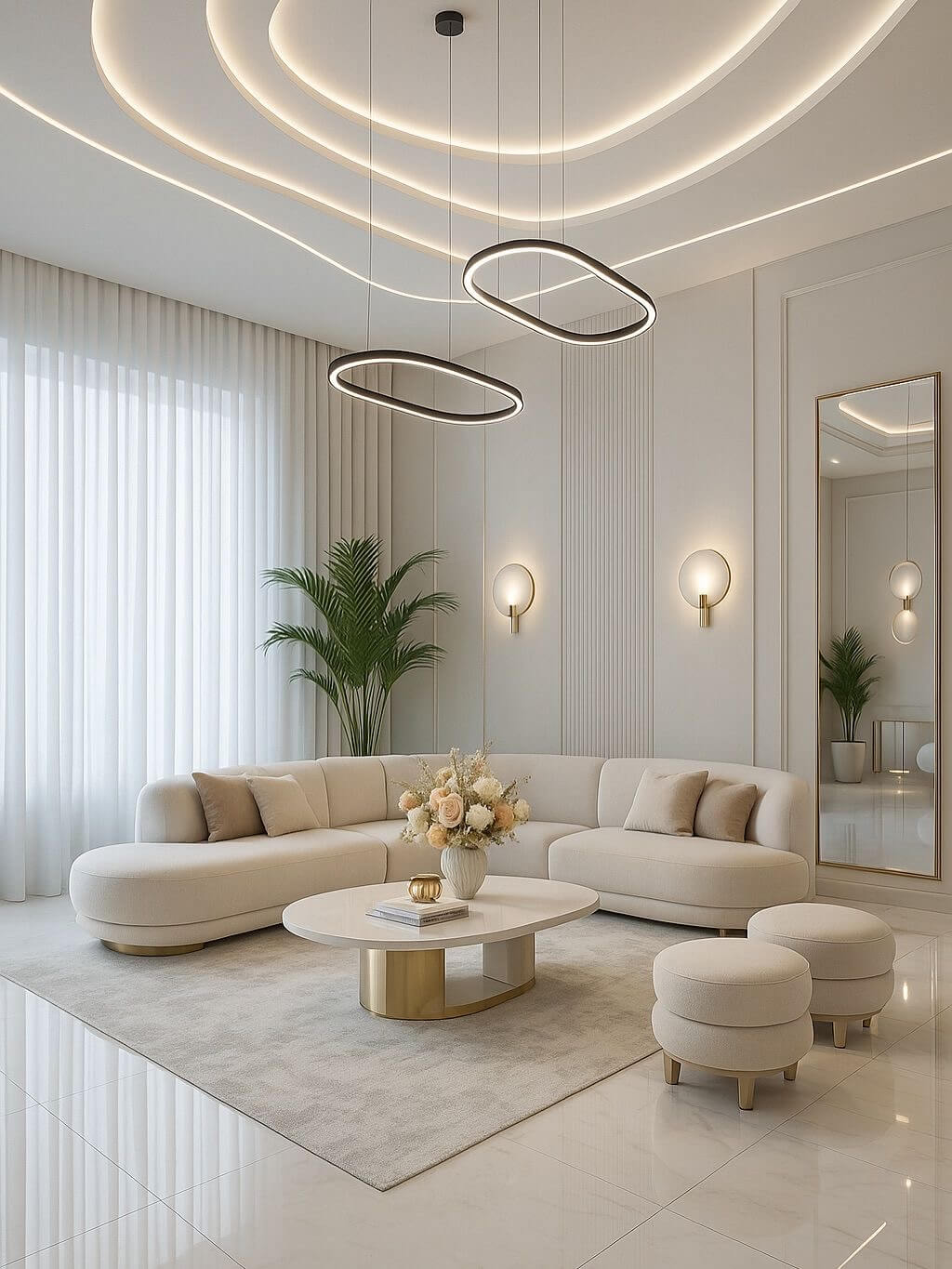
Soft whites, off-whites, and ivory tones
Pastels like beige, blush, light grey, and cream
Matte finishes on walls to avoid harsh glare
Interior designers in cities like Gurgaon often use neutral palettes to counter high-rise shadows and limited window openings.
3. Strategic Use of Mirrors & Reflective Surfaces
Mirrors are one of the most effective tools for maximizing daylight.
Professional techniques include:
Large mirrors placed opposite windows
Glossy laminates and lacquered finishes
Glass partitions instead of solid walls
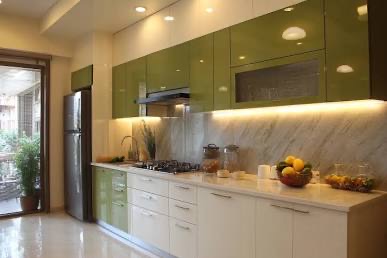
Reflective backsplash in kitchens
A skilled interior designer in Gurgaon uses these elements to multiply available light—especially in narrow apartments and builder floors.
4. Sheer Curtains & Window Treatments
Heavy curtains block light—even when windows are large.
What professionals recommend:
Sheer or translucent curtains
Light-colored blinds or Roman shades
Floor-to-ceiling curtains to visually increase height
Interior designers avoid bulky window treatments and choose materials that allow sunlight while maintaining privacy.
5. Glass Partitions Instead of Solid Walls
Traditional walls stop light from moving freely between spaces.
Designers replace them with:
Frosted or clear glass partitions
Sliding glass doors
Fluted or ribbed glass for privacy
This technique is commonly used by interior designers in Indore for 2BHK and 3BHK apartments to brighten internal rooms without windows.
6. Minimalist Design Approach
Clutter blocks light and creates visual heaviness.
Professional interior designers focus on:
Clean lines and minimal décor
Built-in storage to reduce visual noise
Wall-mounted furniture instead of floor-standing units
Minimalism allows light to flow uninterrupted, making apartments look brighter and more premium.
7. Choosing the Right Flooring & Materials
Dark floors absorb light, while lighter materials reflect it.
Designer-preferred materials include:
Light-toned vitrified tiles
Wooden flooring in neutral shades
Marble or marble-finish tiles
High-gloss finishes in kitchens and wardrobes
Top interior designers in Gurgaon often use reflective flooring to balance limited daylight in high-rise apartments.
8. Artificial Lighting That Complements Natural Light
Natural and artificial lighting should work together—not against each other.
Professional lighting strategies:
Warm ambient lighting for evenings
Cove lights to enhance brightness
Spotlights near windows to extend daylight effect
This layered lighting approach ensures your home stays bright even after sunset.
Why Hire a Professional Interior Designer?
Maximizing natural light is not accidental—it’s intentional design. A professional interior designer understands:
Sun direction and window orientation
City-specific apartment challenges
Material selection for light reflection
Long-term comfort and aesthetics
Whether you are searching for an interior designer in Indore for a compact city apartment or an interior designer in Gurgaon for a luxury high-rise, expert planning ensures your home feels bright, open, and timeless.